GreenPlus Medical GreenPlus Medical

7 Tips for Choosing Lab Equipment for a Startup Clinic?

Time:2026-09-11 Author:Sienna
0%

Launching a clinic laboratory is exciting, but the wrong centrifuge can quietly drain time, money, and trust. How to select laboratory equipment for a startup clinic? This question deserves more than a supplier catalogue or attractive discount. Equipment must match expected test volumes, staffing skills, sample types, reporting timelines, and available maintenance support. A compact analyzer may suit twenty daily samples, yet fail when demand reaches eighty. A refrigerator may look adequate, but unstable temperature records can compromise reagents before anyone notices.

The World Health Organization reported that approximately 7% of patients in high-income countries and 15% in low- and middle-income countries acquire at least one healthcare-associated infection during care. That finding reinforces the need for dependable cleaning systems, biosafety controls, validated storage, and clear workflow separation. ISO 15189:2022 also emphasizes competence, risk management, and reliable laboratory results. James O. Westgard, PhD, a respected laboratory quality expert, echoes this principle: “Quality is never an accident; it is always the result of high intention, sincere effort, intelligent direction, and skilful execution.” His words apply to purchasing, too.

This guide presents seven practical tips for choosing startup-clinic equipment. It considers total ownership cost, calibration, service contracts, interoperability, energy use, and future expansion. Some decisions will remain imperfect. That is normal. A small clinic may need to begin with manual backups, shared instruments, or fewer test menus. The important point is to document those compromises, review them regularly, and avoid treating the lowest purchase price as the safest investment.
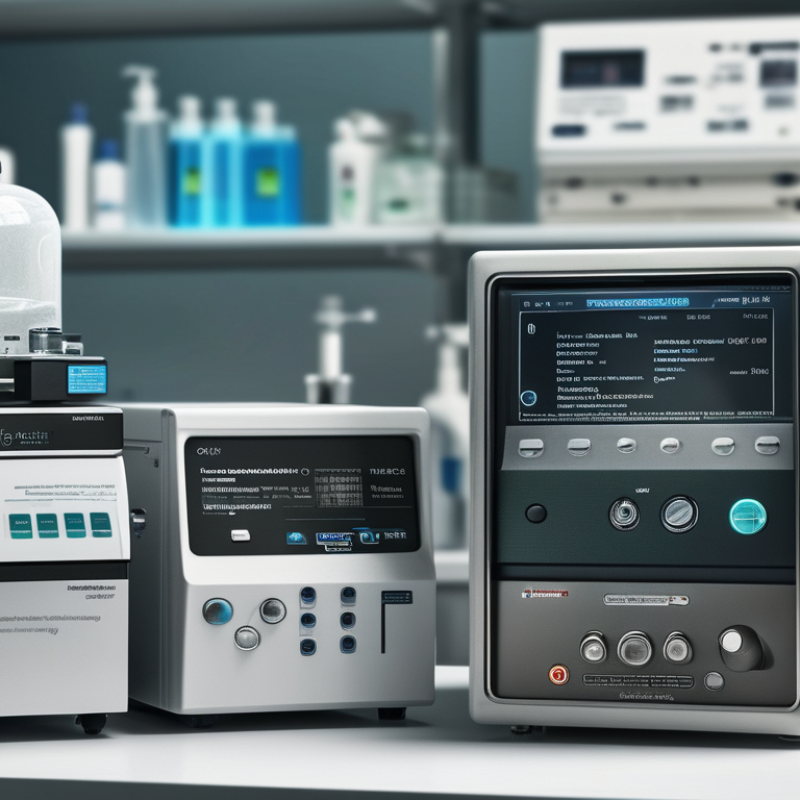
7 Tips for Choosing Lab Equipment for a Startup Clinic?

Define the Clinic’s Testing Needs and Equipment Priorities

A startup clinic should define its testing needs before comparing laboratory equipment. List the conditions you expect to evaluate, the sample types involved, and the required turnaround time. Then estimate daily and peak testing volumes. A small clinic may need flexible equipment more than maximum capacity. Staff skills also matter. Complex instruments can create delays when only one person understands their operation.

Tip 1: Build a simple testing map. For each test, record sample volume, preparation steps, accuracy requirements, storage needs, and reporting time. This exposes hidden equipment needs, such as centrifuges, refrigerators, or backup power. My early mistake was focusing on the analyzer and overlooking basic support equipment.

Tip 2: Rank equipment priorities by clinical value and operational risk. Essential equipment should support common tests, reliable results, safe handling, and practical maintenance. Consider calibration schedules, consumable storage, service access, and downtime procedures. A lower purchase price may become expensive when repairs interrupt patient care.

Tip 3: Validate the plan with actual users. Ask technicians to review workflow drawings and test a representative setup. Their feedback often reveals awkward bench heights, crowded sample paths, or unnecessary manual steps. A spreadsheet helps, but it can still miss real-world friction. Recheck the priorities after a trial period, because the first equipment list is rarely perfect.

Check Regulatory Compliance, Safety Standards, and Certification

7 Tips for Choosing Lab Equipment for a Startup Clinic

Check Regulatory Compliance, Safety Standards, and Certification

For a startup clinic, equipment choice is a compliance decision, not merely a purchasing exercise. Start with the intended test, patient risk, and local regulator’s rules. WHO’s Patient Safety Fact Sheet (2023) reports that about one in ten patients experiences harm in healthcare. More than half of that harm is considered preventable. That number should change the buying conversation. Check every analyzer, centrifuge, and refrigerator for required market authorization, conformity assessment, and user documentation. Requirements differ by country.

Use ISO 15189:2022 as a quality framework for medical laboratories, where applicable. For electrical equipment, verify relevant IEC 61010-1 safety requirements, including protection against shock, heat, and mechanical hazards. Ask for calibration certificates with traceable records, not a vague “factory tested” statement. Confirm maintenance intervals, alarm functions, and safe shutdown procedures before signing. Train staff beside the actual workbench. A certificate cannot replace competence.

The WHO Global Patient Safety Action Plan 2021–2030 emphasizes risk reduction, learning systems, and reliable measurement. Reflect on that. A cheaper device may create hidden costs through repeat tests, downtime, or unsafe workarounds. Request installation qualification, operational qualification, and performance verification when appropriate. Keep service reports, software versions, calibration records, and incident reviews accessible. A polished brochure can mislead. It is an easy mistake. A short pilot using approved, de-identified samples may reveal awkward controls, cleaning gaps, or unclear results before clinical use.

Compare Equipment Performance, Capacity, and Workflow Compatibility

7 Tips for Choosing Lab Equipment for a Startup Clinic

Compare Equipment Performance, Capacity, and Workflow Compatibility

Choosing laboratory equipment is not just a price exercise. Compare analytical accuracy, precision, uptime, calibration needs, and maintenance time. ISO 15189:2022 emphasizes competent processes, risk management, and reliable examination results. Ask suppliers for verification data, not only promotional claims. A 30-day pilot can expose problems with noisy pumps, slow warm-up, or confusing software.

Capacity must reflect real demand, not optimistic forecasts. Record expected specimens per hour, peak arrivals, turnaround targets, and expansion space. The WHO/UNICEF Joint Monitoring Programme 2023 report estimated that one in five healthcare facilities lacked basic water services in 2022. Check water quality, drainage, electricity, ventilation, and backup power before ordering. Equipment that performs well in a brochure may fail in a crowded, unstable utility environment.

Workflow compatibility deserves equal weight. Map the patient journey from registration to reporting. Measure walking distance, barcode steps, sample transfers, and manual entries. WHO reports that about 15% of healthcare waste is hazardous, so waste containers and disposal capacity need practical planning. A common mistake is buying a high-capacity analyzer before confirming staff skills and bench space. I would use a weighted scorecard, then test the busiest shift. Forecasts can still be wrong. Leave room to revise the plan.

Set a Realistic Budget for Purchase, Operation, and Maintenance

A startup clinic needs a budget beyond the purchase invoice. My first estimate was too optimistic. I counted the analyzer, but missed service visits, calibration, software updates, consumables, and staff training. WHO’s Laboratory Quality Management System handbook treats installation, maintenance, calibration, and retirement as connected equipment-management duties. Fund each stage before signing a purchase agreement.

Operating costs can quietly exceed expectations. The U.S. Department of Energy reports that laboratories may use five to ten times more energy per square foot than offices. A compact refrigerator, ventilation system, and temperature-controlled room can raise monthly bills. Measure power, water, waste handling, and downtime. Cash flow is clinical infrastructure.

Create a three-year cost sheet for every shortlisted item. Include the purchase price, delivery, validation, preventive maintenance, emergency repair, and eventual replacement. Leave a contingency reserve; mine was not large enough. Ask suppliers for written service intervals and realistic response times, but verify those claims with independent laboratory managers. The WHO handbook also emphasizes documented records, which help reveal repeated failures and hidden costs. Review the budget quarterly, because test volumes, staffing, and utility prices will change. A cheaper instrument may become expensive when it needs frequent manual checks or creates long waiting lines. Choose reliability over impressive specifications when patient schedules are tight.

Assess Suppliers, Support Services, Training, and Future Upgrades

Choosing laboratory equipment for a startup clinic requires more than comparing prices. Supplier reliability matters during busy testing days. Ask for service records, delivery timelines, calibration procedures, and written warranty terms. Request references from clinics with similar testing volumes. A polished sales presentation proves very little. Your first shortlist may be wrong.

Support services should be tested before purchase. Call the technical team with a practical question. Notice how clearly they respond. Confirm response times, spare-part availability, installation support, and emergency procedures. Training should include hands-on practice with real samples, cleaning steps, quality controls, and error handling. Short training sessions often leave staff uncertain. Schedule refresher training after several weeks, when routine problems become visible.

Think about upgrades before signing an equipment contract. Ask whether software updates, additional modules, and higher-throughput options are available. Check electrical requirements, bench space, ventilation, and data integration. A compact instrument may fit today but restrict growth later. Leave some room. Document upgrade costs and compatibility in writing. I have seen clinics choose inexpensive systems, then spend more during expansion. That lesson is easy to overlook. Reassess the plan every six months as test volumes, staffing, and clinical needs change.

7 Tips for Choosing Lab Equipment for a Startup Clinic

Suggested procurement priorities for assessing suppliers, support services, training, and future upgrades

This planning benchmark gives the greatest weight to equipment quality, regulatory compliance, and dependable service because downtime can directly affect patient care. Training, consumables availability, warranty coverage, maintenance, and upgrade compatibility should also be evaluated before purchase.

FAQS

: What should a startup clinic define before buying laboratory equipment?

: List expected conditions, sample types, testing volumes, and required reporting times. Plan for busy days, not only average days. Staff skills also matter.

How can a clinic map its testing workflow?

Record sample volume, preparation steps, accuracy needs, storage requirements, and reporting times. Include centrifuges, refrigerators, backup power, and other support equipment. The analyzer is not everything.

How should equipment priorities be ranked?

Prioritize common tests, reliable results, safe handling, and practical maintenance. Consider calibration, consumable storage, service access, and downtime procedures. Specifications can distract.

Why should technicians review the equipment plan?

Technicians can identify crowded sample paths, awkward bench heights, and unnecessary manual steps. Ask them to test a representative setup. Spreadsheets miss real friction.

What costs should a clinic include in its equipment budget?

Include purchase, delivery, installation, validation, calibration, training, maintenance, repairs, and replacement. Also budget for software updates and consumables. The invoice is only one part.

How can a clinic estimate operating expenses?

Measure electricity, water, waste handling, service visits, and downtime. Cooling equipment and controlled rooms may increase monthly bills. Energy costs can surprise you.

Why is a three-year cost sheet useful?

It compares long-term expenses instead of purchase prices alone. Include preventive maintenance, emergency repairs, and a contingency reserve. Mine was too small.

How should a clinic review its equipment decisions after purchase?

Review costs and workflow quarterly as testing volumes, staffing, and utility prices change. Document repeated failures and waiting times. The first plan may be imperfect.

Conclusion

How to select laboratory equipment for a startup clinic? Begin by defining the clinic’s testing services, expected sample volume, turnaround targets, and essential equipment priorities. Choose instruments that match current clinical needs without creating unnecessary complexity. Before purchasing, verify applicable regulatory requirements, safety standards, documentation, and certification expectations. Equipment should be reliable, safe to operate, and suitable for the clinic’s working environment.

Next, compare performance, testing capacity, accuracy, ease of use, and compatibility with existing workflows. Prepare a realistic budget that includes purchase costs, installation, consumables, utilities, calibration, maintenance, and potential repairs. Finally, evaluate suppliers according to technical support, warranty terms, staff training, spare-part availability, response times, and opportunities for future upgrades. A well-planned selection process helps a startup clinic control costs, maintain consistent testing quality, support efficient staff workflows, and build a laboratory setup that can adapt as services and patient demand grow.

Sienna

Sienna

Sienna is a skilled marketing professional with a deep expertise in our company’s core products and services. With a passion for innovation and detail, she plays a pivotal role in crafting insightful blog posts that not only highlight the unique features of our offerings but also provide valuable......