GreenPlus Medical
Medical adhesives are essential tools in healthcare. They help secure dressings, support wounds, and enable device attachments. However, a significant concern arises: Why do some medical adhesives cause skin irritation? This question touches on various factors, including skin type, adhesive formulation, and application methods.
In practice, many individuals experience discomfort after using these adhesives. Some develop rashes or allergic reactions. The reasons can be complex but are often linked to certain chemical components. Not all adhesives are made the same. Some contain harsh substances that can irritate sensitive skin.
Understanding these irritations is crucial for healthcare providers. They must consider individual patient needs. Patients should be educated on selecting suitable products that minimize risks. Addressing this common issue requires ongoing research and user awareness. Insights gathered can improve the comfort and health outcomes of adhesive use.
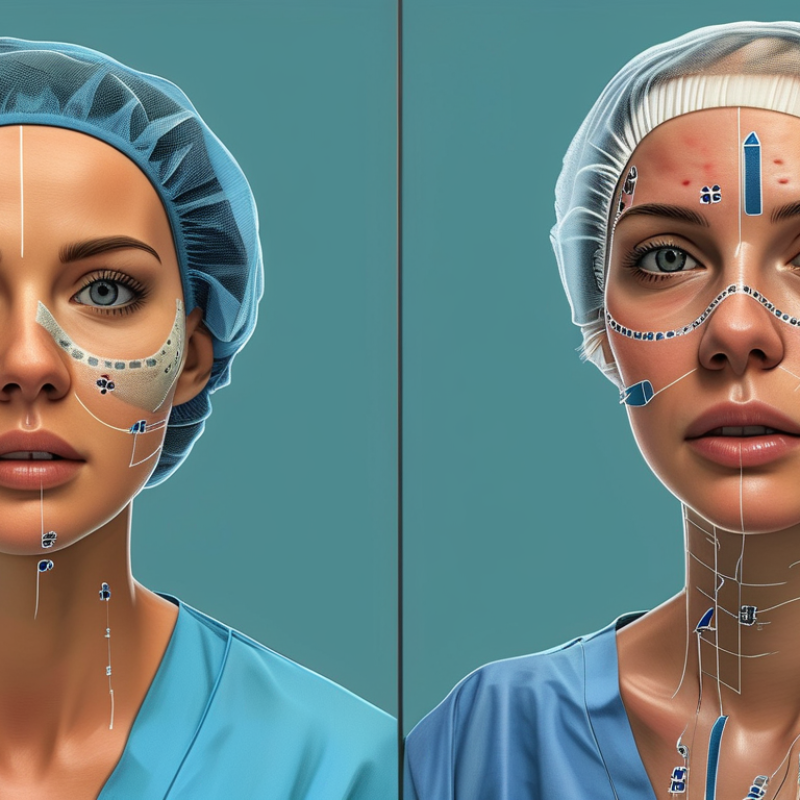
In 2026, medical adhesives have evolved significantly, becoming a staple in healthcare. These adhesives are crucial in wound care and surgical procedures. They offer strong bonding properties, ensuring that dressings and devices stay in place. Common types include hydrocolloid, silicone, and reactive adhesives. Each type has its unique properties, catering to various medical needs.
Despite their benefits, skin irritation remains a common concern. Many users experience discomfort, rash, or allergies. This can happen due to various factors. For example, the adhesive formulation might not match a specific skin type. Sensitive skin reacts more easily, leading to irritation. Additionally, prolonged contact with certain adhesives can disrupt the skin barrier.
While manufacturers focus on improving adhesive technology, the issue of skin irritation persists. Some options may work well for one person but cause issues for another. There remains a need for more extensive testing. Finding the right adhesive often involves trial and error. Users should consult healthcare professionals for recommendations tailored to individual needs. This is vital to minimize irritation while maximizing the effectiveness of medical adhesives.
Medical adhesives are widely used in healthcare, but they can lead to skin irritation. A report by the Journal of Wound Care Research found that up to 30% of patients experience skin reactions associated with various adhesive products. This is a significant concern for healthcare professionals and patients alike.
Several factors contribute to skin irritation from medical adhesives. The adhesive's composition often includes sensitizers and irritants that can affect sensitive skin. Furthermore, moisture and heat can exacerbate these reactions. A study in the International Journal of Dermatology highlighted that prolonged wear increases skin maceration, leading to irritation. Many users might not realize that individual skin sensitivities vary.
Reflection on these issues is necessary for both manufacturers and users. Addressing these factors during product design could improve patient outcomes. Education on proper adhesive application and removal techniques is vital. Ultimately, recognizing and addressing these contributing factors can lead to better tolerability of medical adhesives in the healthcare setting.
Medical adhesives are essential in numerous healthcare applications, but they can often lead to skin irritation. Skin reactions to these adhesives are complex and involve various physiological responses. When applied, adhesives interact with the skin's top layer, affecting its barrier function. The materials can cause inflammation, leading to redness and discomfort.
Understanding these reactions requires insight into individual skin types and sensitivities. Some people may experience irritation immediately, while others might have delayed reactions. Factors like moisture, temperature, and duration of adhesive application can also amplify skin responses. While many adhesives are designed for biocompatibility, they might still provoke an immune response in sensitive individuals.
Developing strategies to minimize irritation is crucial. Testing different adhesives in small areas can help identify potential reactions. Healthcare professionals should monitor patients’ skin responses closely. Moreover, ongoing research can improve adhesive formulations, aiming for better tolerability. While there is progress, more work is needed to create ideal solutions for all skin types. Understanding the balance between adhesion strength and skin health remains a challenge.
Skin irritation from medical adhesives is a common issue faced in clinical settings. Studies suggest that around 30% of patients experience some degree of irritation. The adhesive materials often contain substances like latex or acrylic, which can lead to allergic reactions. Information from the Journal of Wound Care indicates that proper material selection is vital for reducing these adverse effects.
Preventive measures can significantly minimize discomfort. Adequate skin preparation plays a crucial role. Cleaning the skin properly reduces bacterial buildup, which can exacerbate irritation. In addition, using barrier creams may act as a protective layer, thus preventing direct contact with irritating agents. A systematic review published in the International Journal of Dermatology reveals that such interventions can decrease skin complaints by up to 40%.
Another key detail is regular monitoring of the adhesive site. Changing dressings promptly helps reduce prolonged exposure to irritants. However, achieving an ideal balance between adhesion and skin safety is ongoing. Many healthcare professionals are still finding it challenging to prevent irritation while ensuring effective adhesion. Continuous education on emerging adhesive technologies is necessary for practical solutions in patient care.
The development of skin-friendly medical adhesives is gaining momentum. Understanding skin irritation is crucial. Many traditional adhesives contain harsh chemicals. These substances can cause redness or allergic reactions. This challenge drives researchers to innovate.
Future trends focus on bio-based polymers. These materials promise better compatibility with human skin. They are derived from natural sources and can be less irritating. Work is being done on improving adhesion without compromising comfort. Researchers are exploring how to create adhesives that last longer yet are gentle enough for sensitive skin.
However, achieving the right balance is complex. Some new formulations may still lead to skin reactions, albeit to a lesser degree. Continuous testing is essential to refine these products. It’s important to remain cautious as not all innovations may meet safety standards. The goal is to develop adhesives that heal rather than harm.
: Studies show that up to 30% of patients report skin reactions from these products.
Substances like latex and acrylic are often responsible for allergic reactions.
Moisture and heat can worsen skin irritation and lead to more severe reactions.
Proper skin cleaning reduces bacterial buildup, which helps prevent irritation.
Using barrier creams and changing dressings regularly can significantly reduce discomfort.
They should monitor patients closely and test adhesives on small skin areas.
No, individual sensitivities vary, and not all adhesives suit every skin type.
Achieving effective adhesion while minimizing the risk of skin irritation remains difficult.
Educating staff on proper application and removal techniques is essential for patient care.
Continuous research and improved formulations are necessary for all skin types.
Medical adhesives play a crucial role in healthcare, but one common concern is, "Why do some medical adhesives cause skin irritation?" In 2026, an overview of medical adhesives reveals that their composition and interaction with skin can lead to various types of skin responses. Factors such as the adhesive's chemical structure, duration of contact, and individual skin sensitivity can significantly contribute to irritation.
Understanding physiological responses to these adhesives is vital for developing preventive measures. Strategies may include selecting hypoallergenic materials and optimizing wear time to minimize irritation. Future trends in adhesive development are focused on creating skin-friendly applications that enhance patient comfort while maintaining effective adhesion. Overall, addressing the irritation caused by medical adhesives remains a priority for improving patient care.
