GreenPlus Medical
Catheter insertion is a critical skill in various medical settings. However, it comes with inherent risks. According to a report from the World Health Organization, catheter-related infections account for nearly 30% of all healthcare-associated infections. This statistic highlights the importance of mastering proper insertion techniques. What are the common mistakes in catheter insertion techniques? Understanding these errors is vital for improving patient safety and outcomes.
Healthcare professionals must be aware of the key pitfalls during catheter insertion. Poor hand hygiene, incorrect catheter selection, and inadequate patient positioning are frequent problems. The Centers for Disease Control and Prevention outlines that up to 20% of catheter-related complications stem from these errors. Such mistakes can lead to severe complications, prolong hospital stays, and increase healthcare costs.
Addressing these issues requires ongoing education and training. Regular workshops and experience sharing can help bridge knowledge gaps. The challenge is significant; experts estimate that over 50% of healthcare workers have not received adequate training. Therefore, highlighting these common mistakes in catheter insertion techniques is essential for fostering a culture of safety and accountability in healthcare practice.
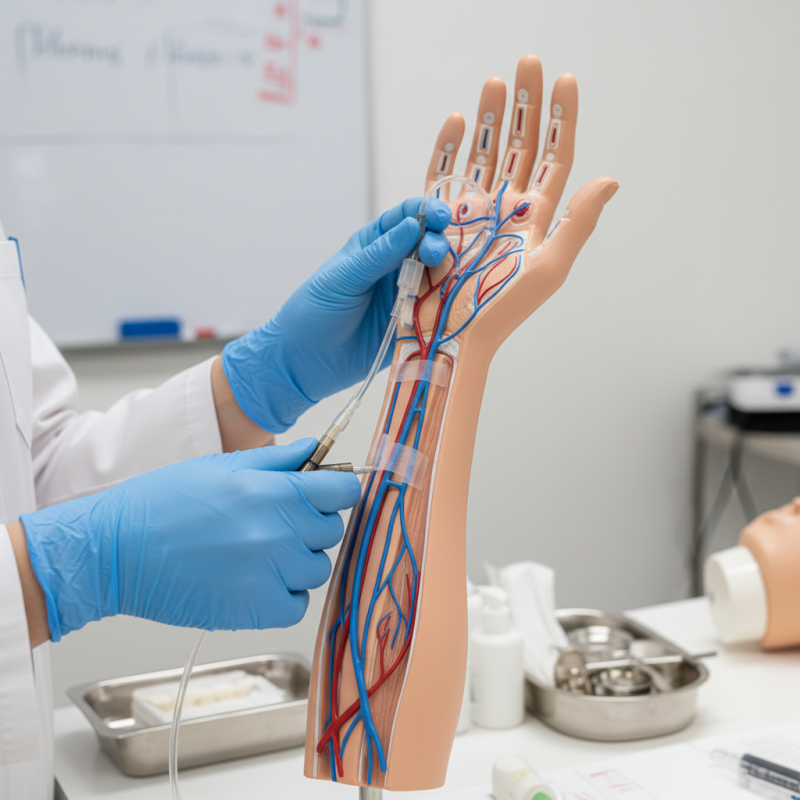
Catheter insertion can often present challenges, leading to common mistakes that affect patient outcomes. Research indicates that up to 30% of catheter-related complications stem from improper techniques. For instance, failing to maintain sterile conditions can lead to infections. A study found that catheter-related urinary tract infections (CAUTIs) occur in about 4% of patients. This highlights the need for meticulous attention to detail during the procedure.
Another frequent error is inadequate patient assessment. Knowing a patient’s anatomy is crucial. Misjudgment of the catheter size can result in trauma or discomfort. One report states that nearly 50% of catheter insertions in emergency settings are performed without proper sizing. Such oversights can lead to prolonged patient recovery and increased healthcare costs. Awareness of these pitfalls plays a critical role in improving practices in catheter insertion.
Proper training and continual education are vital. A healthcare provider should regularly refresh their skills to minimize mistakes. Surveys show that ongoing training can reduce complication rates by up to 25%. Recognizing common errors is the first step toward enhancing patient safety in catheterization.
Proper catheter insertion techniques are crucial in medical settings. Incorrect methods can lead to serious complications for patients. Understanding the importance of these techniques starts with recognizing the potential risks involved. Common issues include improper site selection and inadequate hand hygiene, leading to infections.
Clinicians must also pay attention to catheter size and type. Using an inappropriate catheter can cause discomfort or damage to the patient’s anatomy. This requires a thoughtful assessment of each situation. Mindfulness during insertion is vital. A distracted approach can result in misplaced catheters. Regular training can help staff improve their skills, but complacency remains a concern.
Communication is key. Healthcare teams must discuss techniques and share experiences. Learning from mistakes helps refine practices. Reflecting on past procedures often reveals areas needing improvement. By fostering a culture of openness, teams can better protect patient safety.
Complications during catheter insertion can arise from several critical factors. One frequent issue is inadequate hand hygiene. When healthcare providers forget to follow proper cleaning techniques, it increases infection risks. It's essential to emphasize the importance of sterile procedures. A quick wash might seem enough, but thorough hand sanitization is necessary.
Another common mistake is improper anatomical landmarks identification. Misjudging the insertion site can lead to complications such as arterial puncture. Providers often rush through the assessment. Taking time to palpate and confirm landmarks can significantly reduce these risks. A hasty approach may seem efficient, but it often backfires.
Patient positioning is also a vital factor. An awkwardly positioned patient can cause challenges during insertion. In some cases, this can lead to discomfort or injury. Ensuring patients are comfortably positioned allows clear access. It’s easy to overlook this aspect in busy environments, but it remains crucial for successful catheter placement. Awareness and practice are key to avoiding these pitfalls.
| Mistake | Description | Consequences | Prevention Strategies |
|---|---|---|---|
| Improper Site Selection | Selecting an inappropriate insertion site can lead to complications. | Increased risk of infection and difficulty in catheter placement. | Evaluate the patient’s anatomy and choose the optimal site based on guidelines. |
| Inadequate Sterilization | Failure to properly sterilize equipment and insertion area. | Higher likelihood of infection and catheter-related blood stream infections (CRBSI). | Strict adherence to aseptic techniques and protocols. |
| Incorrect Catheter Size | Using a catheter that is too large or too small for the patient. | Risk of vessel trauma or inadequate drainage. | Assess the patient’s needs and use recommended sizing charts. |
| Poor Technique | Improper insertion techniques, such as angle and depth. | Possible perforation of blood vessels or nerves. | Regular training and practice on proper techniques. |
| Failure to Monitor | Neglecting to monitor the patient post-insertion for complications. | Delayed recognition of complications such as thrombosis or infection. | Implement a routine monitoring protocol after insertion. |
Catheter insertion requires careful attention to detail. One common mistake is neglecting to assess the patient's anatomy thoroughly. Observing variations in anatomy can prevent complications. If the approach feels off, pause and reevaluate the position or the size of the catheter. Rushing through this step often leads to discomfort or injury.
Another frequent error is inadequate sterilization. Proper hygiene practices are essential to reduce infection risk. Use sterile gloves and ensure that the insertion site is clean. If you notice any signs of contamination, it’s important to recalibrate and sanitize before proceeding. Ignoring hygiene can lead to severe complications.
Lastly, improper catheter sizing or type can hinder the procedure. Each patient is unique, and using the wrong equipment can lead to failure. Always have an array of options accessible. If the catheter does not seem to fit properly, reflect on your prior choices. Making adjustments can significantly enhance the success of the insertion.
Catheter insertion techniques require precision and knowledge. Educational resources are essential for improving skills in this critical area. Many healthcare professionals struggle with maintaining proper aseptic technique. Online courses and workshops offer practical insights, but they can only help if learners actively engage.
Hands-on practice is irreplaceable. Simulation labs provide a safe environment for healthcare workers to refine their techniques. Observing experienced clinicians during procedures can bridge the gap between theory and practice. Effective feedback plays a crucial role in skill development. Consider peer reviews after practice sessions to identify improvement areas.
Tips: Always double-check your equipment before beginning. Such simple measures can prevent complications. Take your time, especially in high-stress situations. Rushing may lead to mistakes that compromise patient safety. Reflecting on past experiences can enhance future performance. Each procedure offers opportunities for growth and learning.
: They reduce complications and improve patient safety, preventing issues like infections.
Neglecting anatomy assessment and inadequate sterilization can lead to severe complications.
Engaging in educational resources and hands-on practice is crucial for skill enhancement.
Sharing experiences and discussing techniques can refine practices and enhance patient safety.
A distracted approach can cause misplaced catheters, leading to discomfort for patients.
Reflecting on past procedures often reveals opportunities for growth and learning.
They must pause, recalibrate, and sanitize before proceeding to avoid complications.
Using the wrong catheter size can cause discomfort and hinder the success of the procedure.
It helps identify improvement areas and enhances skill development after practice sessions.
Taking time and double-checking equipment are essential for ensuring patient safety.
In the healthcare setting, the proper technique for catheter insertion is crucial to prevent complications. "What are the common mistakes in catheter insertion techniques?" is a question that highlights prevalent errors that can occur during the procedure. Understanding the importance of adhering to established guidelines can significantly reduce the risk of infections, improper placement, and patient discomfort.
Key factors contributing to complications include inadequate sterilization, incorrect catheter selection, and improper technique. To address these issues, a step-by-step approach can be employed to ensure proper insertion, including thorough patient preparation and maintaining a sterile field. Educational resources are essential for healthcare professionals to improve their skills and minimize mistakes, ultimately leading to better patient outcomes.
