GreenPlus Medical
Chronic wounds pose a significant challenge for many individuals. They often refuse to heal despite numerous treatments. Understanding how to manage chronic wounds that refuse to heal is crucial for both patients and caregivers. Effective management requires expertise and a tailored approach.
These wounds can arise from various conditions, including diabetes and vascular issues. Each patient’s situation is unique. Addressing the underlying causes is essential for recovery. A multidisciplinary team approach often leads to better outcomes. In this journey, regular assessments and adjustments to treatment plans can make a difference.
However, not all methods yield immediate results. This can be frustrating for patients and caregivers alike. It is vital to recognize that healing can take time. Reflection on past treatment strategies may reveal gaps or areas for improvement. Embracing a proactive mindset can foster effective wound management. Ultimately, educating oneself about chronic wounds is an empowering step toward healing.
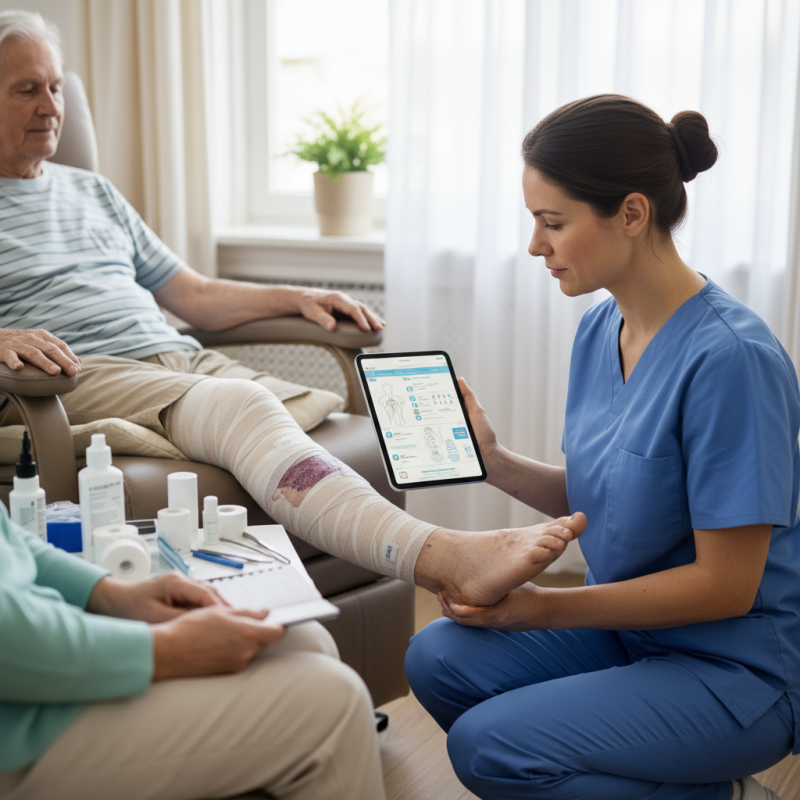
Chronic wounds are injuries that fail to heal properly over time. They can result from various causes, such as diabetes, vascular diseases, or pressure injuries. Understanding the nature of these wounds is essential for effective management. The body’s natural healing process can be disrupted due to underlying conditions, leading to extended healing times.
In the realm of chronic wounds, inflammation often becomes a persistent barrier to recovery. A wound may appear to heal, yet remain stuck in the inflammatory phase. This can be frustrating for patients and caregivers alike. Factors like poor nutrition and infection can complicate healing. Assessing the wound environment, including moisture levels and tissue viability, is crucial for proper treatment.
Reflection on care approaches reveals gaps in common practices. Healthcare providers may overlook the patient’s overall well-being. It's vital to consider psychological and social factors affecting healing. By addressing both physical and emotional aspects, practitioners can enhance recovery outcomes. Engaging patients in their care plan fosters better adherence and motivates active participation.
Assessing chronic wounds requires a systematic approach. Clinicians should consider the wound's type and severity to create effective treatment plans. According to research from the National Institutes of Health, over 6.5 million patients in the U.S. experience chronic wounds, significantly affecting their quality of life. Factors such as underlying health conditions, nutrition, and wound characteristics influence healing outcomes.
Different chronic wounds, like diabetic foot ulcers, venous leg ulcers, and pressure ulcers, behave uniquely. For example, diabetic ulcers account for 15% of all diabetes-related hospitalizations, emphasizing the need for targeted assessment. Experts recommend that healthcare professionals utilize standardized classification systems to evaluate these wounds. A thorough assessment can reveal critical factors, such as the wound's depth, presence of infection, and the patient's overall health status.
Wound assessment is often imperfect. Even with advanced tools, clinicians may misjudge the severity. A report from the Wound Healing Society indicates that approximately 30% of chronic wounds remain undiagnosed or misclassified. This highlights the need for continual education and training among healthcare providers. By improving assessment techniques and enhancing practitioner expertise, effective management of chronic wounds can become more achievable.
This chart illustrates the number of cases for different types of chronic wounds. Understanding the severity and type of chronic wounds is essential for effective management and treatment.
Chronic wounds can be challenging to manage. Finding effective treatment strategies is essential. A focused approach can yield better healing outcomes. Identifying the underlying causes is the first step. Conditions like diabetes, poor circulation, or infections must be addressed. Sometimes, a simple change in diet or medication can aid healing.
Next, regularly cleaning and dressing the wound is crucial. Use sterile techniques to minimize infection risk. Consider using specialized dressings that maintain moisture, promote healing, and protect the wound. This might sound straightforward, but it often requires diligence and patience. The healing process can be slow and frustrating.
Engaging with healthcare professionals is vital. They can offer tailored advice and monitor the progress. Regular consultations help adapt treatments if needed. Reflecting on what works and what doesn’t can lead to improvements. Each wound is unique, so staying open to adjustments is essential. Empathy and understanding of the patient's journey can significantly impact recovery.
Chronic wounds pose significant challenges, impacting patients' quality of life. Innovative therapies are emerging to address this pressing issue. Advanced wound dressings, for example, promote a moist environment. They help protect wounds from infections and aid in healing. These dressings are designed to absorb excess exudate while allowing gas exchange. Patients report quicker healing times and reduced discomfort.
Another technology gaining traction is bioengineering. Cellular therapies, utilizing growth factors and stem cells, stimulate tissue regeneration. These methods harness the body’s natural healing processes. However, costs and access can be barriers. Practitioners must weigh effectiveness versus affordability.
Telemedicine has also transformed wound management. Remote monitoring allows healthcare professionals to assess wounds without in-person visits. Yet, this approach is not without limitations. Access to technology can hinder some patients. Overall, exploring various therapies is essential. Continuous adaptation and reflection will improve outcomes for chronic wound management.
Managing chronic wounds requires ongoing monitoring and tailored care plans. Regular assessments can identify setbacks and adaptations needed for effective healing. According to the Journal of Wound Care, nearly 15% of diabetic patients suffer from chronic ulcers. This statistic highlights the importance of vigilant tracking and adapting treatment strategies.
Data from the Wound Healing Society shows that timely intervention improves healing rates by up to 30%. Clinicians should evaluate wound status weekly, adjusting dressings and therapies based on progress. Photographic documentation can offer visual evidence of changes, fostering better communication within care teams.
It's crucial to remember that not all strategies yield success immediately. Some patients may show slow improvement or even regression. When this happens, reflection on the care plan is necessary. Engaging patients in their healing journey, allowing feedback, can lead to more personalized, effective management. A proactive approach can circumvent unnecessary complications and encourage optimal healing outcomes.
: Identifying the underlying causes is essential for effective management.
It minimizes the risk of infection and promotes healing.
Specialized dressings that maintain moisture and protect the wound are recommended.
Wound status should be assessed weekly for optimal management.
Slow improvement or regression of the wound can occur, requiring reflection on care plans.
Engaging patients allows for feedback and personalized treatment adjustments.
They provide tailored advice and monitor the healing progress.
It offers visual evidence of changes and enhances communication among care teams.
Nearly 15% suffer from chronic ulcers, highlighting the need for vigilant management.
Reflect on the care plan and adjust strategies based on patient feedback.
Chronic wounds present significant challenges in healthcare, often leading to prolonged suffering and increased healthcare costs. To address the question, "How to manage chronic wounds that refuse to heal?" it is essential first to understand their definition and underlying causes, which can range from poor circulation to diabetes-related complications. A thorough assessment of the severity and type of the wound helps in crafting tailored treatment strategies aimed at promoting healing.
Effective management of chronic wounds involves implementing evidence-based interventions, which may include advanced dressing techniques and wound care protocols. Furthermore, innovative therapies such as bioengineered tissues and negative pressure wound therapy are increasingly being utilized to enhance healing outcomes. Continuous monitoring of the wound's progress is critical, allowing for adjustments to the care plan as needed, ultimately leading to optimal recovery outcomes for patients suffering from these persistent wounds.
