GreenPlus Medical
Advanced hydrocolloid dressings are transforming wound care. These innovative products offer superior healing properties. Their unique composition retains moisture, creating an ideal environment for wounds to heal.
What are the key features of advanced hydrocolloid dressings? They provide excellent adhesion without damaging the skin upon removal. This is crucial for patient comfort during treatment. Additionally, they are breathable, allowing oxygen to penetrate while keeping harmful bacteria out.
The versatility of these dressings is impressive. They are effective for various types of wounds, including pressure ulcers and abrasions. However, it is essential to assess individual cases to ensure proper usage. Understanding the specific needs of a wound can guide treatment choices effectively. Advanced hydrocolloid dressings hold great promise, but practitioners must continually evaluate their effectiveness in clinical settings.
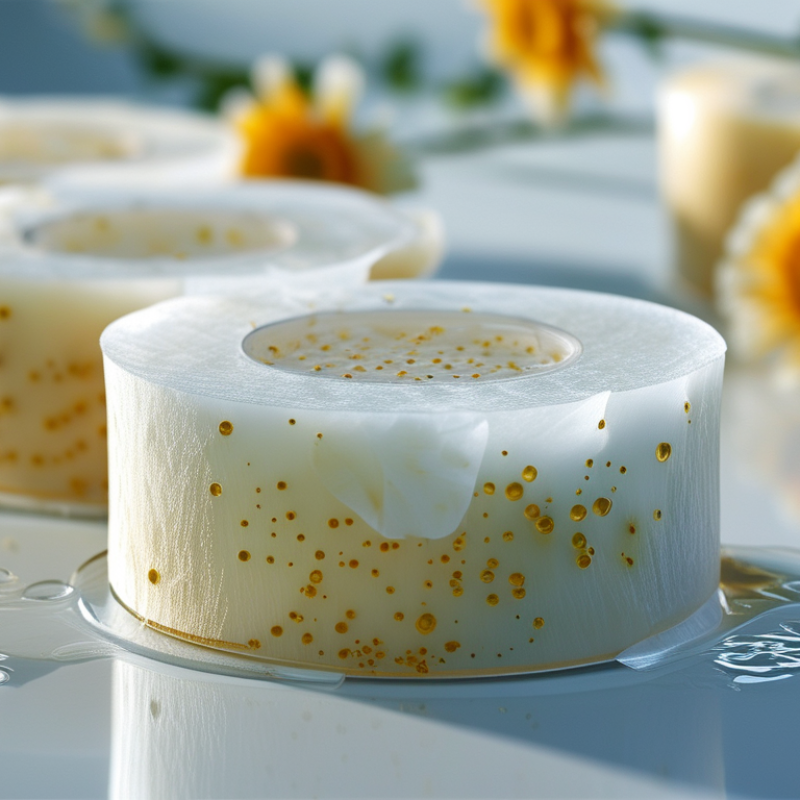
Hydrocolloid dressings are known for their superior moisture management. They maintain a balanced environment for wound healing. By keeping the wound moist, these dressings facilitate cell migration, promoting quicker recovery. This moisture prevention helps protect the wound from external contaminants.
High water absorption is a crucial feature of hydrocolloid dressings. They absorb excess exudate while preventing dehydration of the wound area. This balance supports skin integrity, reducing the risk of maceration. In some cases, too much moisture can lead to complications. Therefore, finding that delicate balance is essential for optimal healing.
It's important to consider the variations in hydrocolloid dressings. Some options may not perform as well in very high exudate situations. Not all dressings suit every wound type. Careful selection based on the specific wound condition is vital. Understanding these nuances can enhance the effectiveness of these advanced dressings in clinical practice.
Enhanced adhesion and wear time are critical attributes of advanced hydrocolloid dressings. These dressings are designed to stay securely in place on challenging areas, such as joints and high-movement areas. According to recent studies, dressings with superior adhesion can reduce the need for frequent changes, enhancing patient comfort and compliance.
In clinical evaluations, hydrocolloid dressings have shown up to 30% longer wear times compared to traditional options. This extended wear time results in fewer interruptions for bandage changes, allowing for better healing outcomes. Enhanced adhesion also minimizes the risk of skin irritation, as dressings are less likely to shift, reducing friction and abrasion on healing tissues.
Despite their many advantages, it’s crucial to monitor for potential adverse skin reactions. Some users report sensitivity to the adhesive components. Therefore, while these products offer extended wear times, it is important to assess individual tolerance regularly. Balancing effective adhesion with skin health is essential for optimal recovery.
Pain-free removal of hydrocolloid dressings is a significant advantage for patients. Traditional wound dressings often cause discomfort during removal, leading to distress and reluctance to change them frequently. In contrast, advanced hydrocolloid dressings are designed with gentle adhesion properties. This allows for easier and less painful removal, minimizing trauma to the wound site.
The structure of these dressings contributes to their efficacy. They contain a gel-forming agent that absorbs exudate while maintaining a moist wound environment. When the dressing is removed, the moisture helps reduce friction. This unique feature can turn a potentially painful experience into a manageable one. However, some patients may still experience slight discomfort due to sensitivity or wound depth.
It's important to consider the needs of each patient individually. Not all wounds react the same way to dressing removals. Some may still find the process uncomfortable, depending on their specific circumstances. Continuous feedback between healthcare providers and patients is essential to ensure that wound healing remains as pain-free as possible. Adopting an approach tailored to individual needs can enhance the overall healing experience.
Advanced hydrocolloid dressings stand out for their compatibility with various wound types and sizes. Their versatile structure allows them to conform to irregular shapes, providing effective coverage over acute and chronic wounds. This adaptability extends to different anatomical locations, making them suitable for everything from pressure ulcers to minor burns. A study published in the Journal of Wound Care highlights that 80% of patients reported improved healing rates with multi-size hydrocolloid dressings.
The ability of hydrocolloid dressings to maintain a moist wound environment is crucial for healing. They can absorb exudate and lock moisture in, preventing scab formation. According to the International Journal of Dermatology, these dressings can reduce healing time by up to 30% in certain ulcers. However, their performance may vary depending on the wound's condition. In some cases, excessive moisture retention can lead to maceration, indicating a need for careful monitoring.
Various clinical guidelines endorse using hydrocolloids for different wound types. However, practitioners must assess each wound's unique needs before selection. Misapplication can hinder healing rather than aid it, showcasing the necessity for ongoing research. It's essential to gather more data on long-term outcomes when using hydrocolloid dressings across diverse patient populations. This focus can ensure optimal care while addressing the limitations observed in specific wound environments.
Advanced hydrocolloid dressings offer several key features, but antimicrobial properties stand out. These dressings help prevent infections, an essential aspect of wound care. By combining moisture-retentive capabilities with antimicrobial agents, they create a protective barrier. This barrier shields the wound from bacteria, reducing the risk of complications.
When using hydrocolloid dressings, it’s crucial to consider their limitations. While they are effective against many pathogens, some resistant strains may still pose a threat. This highlights the need for ongoing assessment of the wound environment and adjusting treatment as necessary. Regular monitoring is vital to ensure optimal healing.
Additionally, patients often appreciate the comfort these dressings provide. They conform well to the skin, allowing for flexibility during movement. However, improper application can lead to issues like leakage or skin irritation. Careful attention to detail is needed for the best results. Balancing these pros and cons is essential for a successful healing process.
: They maintain moisture, promoting quicker healing and preventing contamination.
They absorb excess exudate while preventing dehydration, supporting skin integrity.
No, some dressings may not perform well in very high exudate situations.
It allows the dressings to stay secure, reduces bandage changes, and enhances comfort.
Users must watch for skin sensitivity and potential adverse reactions to adhesives.
They help prevent infections by providing a protective barrier against bacteria.
Issues like leakage or skin irritation may occur, affecting healing.
Some resistant bacteria can still pose threats, requiring ongoing assessment.
Too much moisture can lead to complications, so a delicate balance is necessary.
Regularly assess individual tolerance and apply the dressings carefully for best results.
Advanced hydrocolloid dressings are designed to provide excellent wound care, and their effectiveness stems from several key features. One prominent feature is superior moisture management, which helps maintain an optimal healing environment by keeping wounds hydrated. Additionally, these dressings offer enhanced adhesion and extended wear time, making them suitable for long-term use without frequent changes. Another important aspect is their ability to be removed painlessly, minimizing trauma to the wound during dressing changes.
Moreover, advanced hydrocolloid dressings are compatible with various types and sizes of wounds, ensuring versatility in treatment applications. They often incorporate antimicrobial properties that play a crucial role in infection prevention, safeguarding the healing process. In summary, when considering "What are the key features of advanced hydrocolloid dressings?", it is clear that their effectiveness stems from these attributes that significantly improve patient outcomes and comfort.
